


Lark Video Player
4.3139.00 Reviews
App Specs
- Version
- 2.03.8
- Updated On
- License
- Free
- Downloads
- 10,000,000+
- Developer
- Lark Player Studio - Video, MP4 & Music Player
- Categories
- Video Players & Editors
- Platform
- Android
Screenshots
 Analysis by AppCompare
When I reach for a video on my phone, I usually want to start watching without first hunting through file options or moving a clip to another app. That simple, offline-first routine is where Lark Video Player makes sense: it is a video player in the Video Players & Editors category, built by Lark Player Studio - Video, MP4 & Music Player. I see it as a practical choice for people who keep videos on their device and want one place to play them, rather than as a replacement for every kind of media service.
It is free, has an Everyone age rating, and has reached over 10 million installs. Its average rating is 4.6 from around 59,000 ratings, which gives a prospective user a useful sense of its broad reception without telling the whole story of whether it fits their habits. The release date is January 17, 2025, and version 1.32.7 is listed for Android 5.0 and later. Those details make it straightforward to assess basic compatibility, but I would still check how it behaves on my own phone and with the files I actually watch.
Getting into a dependable viewing routine
I treat a dependable viewing routine as a few small checks that save me from interruptions: choose the right local file, confirm the pace and subtitles, then leave the controls alone unless I need them. That approach is especially useful when I’m sharing a phone or watching a saved lesson in short bursts. The next step is deciding which settings deserve a quick look before pressing play.
First impressions and the baseline workflow
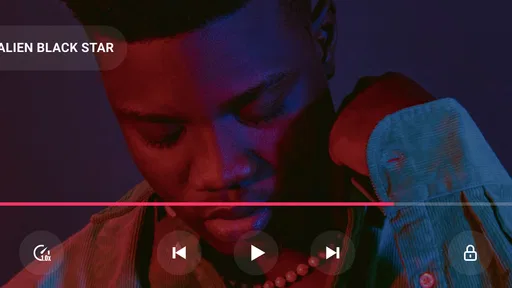
When I first opened Lark Video Player, I was greeted by a sleek and intuitive interface. It’s like the app knows exactly what you need without overwhelming you with too many options. The icons are clear, and everything is just a tap away. It’s perfect for someone who wants to get straight to the point—watching content without any fuss.
That kind of direct layout matters most when the player is part of an ordinary routine, not a special occasion. I might save a tutorial, a family clip, or a video someone shared with me and watch it later without a network connection. A local player is especially handy on a commute, during a trip, or in a place where coverage is unreliable. I can open a file already on the phone and focus on the video instead of depending on a streaming service to load it.
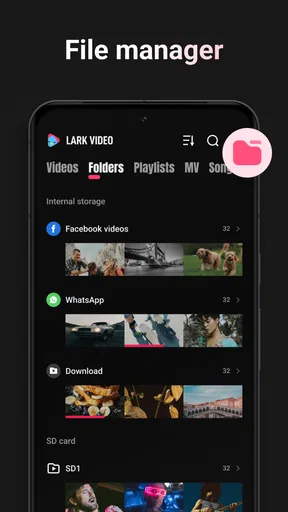
My most useful habit would be to treat the app as a viewing destination rather than a general file manager. I would first keep the clips I expect to watch in a predictable place on the device, then open the player and choose what I need. That small bit of organization pays off if the phone contains a mix of camera footage, saved lessons, and entertainment. It also helps avoid the common frustration of scrolling through a large collection when I only meant to replay one particular clip.
Formats, subtitles, and the details that affect playback
Now, let’s get to the juicy details. What makes Lark Video Player a must-have on your device? Well, for starters, it supports a wide range of video formats. No more worrying about compatibility issues when you want to watch something. From MP4 to MKV, it’s got you covered.
Worth Reading Before You Choose

EA SPORTS FC Mobile 26 Is a Bigger Football Game, but It Takes Time

Flipboard Shows What News Apps Must Do Beyond the Feed

Switching to Android Auto Means Rethinking Your Driving Routine

Google Calendar Makes a Crowded Week Easier to Manage

Ludo King Makes the Most of the Minutes Between Plans

Baby Panda World Brings Quick Play to Modern Phones, but Its Game Library Feels Busy
Broad format support is useful, but I would not assume that every file will behave identically. A container such as MKV can hold different video, audio, and subtitle streams, so the exact file still matters. If a clip opens without the sound or subtitle track I expected, I would try another file known to work before concluding that the player itself is at fault. That is a practical way to separate a one-off file issue from a repeatable playback problem.
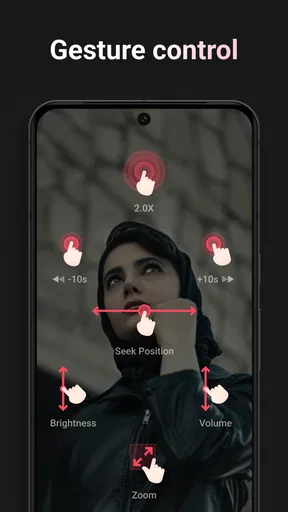
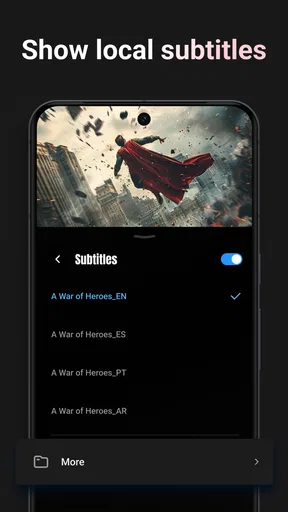
Another cool feature is the gesture control. You can easily adjust the volume and brightness by swiping up or down on the screen. It's super convenient, especially when you don’t want to pause your video to fiddle with settings. Oh, and did I mention it supports subtitles? Perfect for those foreign films or when you’re in a noisy place and need a little text support.
There is a small trade-off with gesture controls: they are quick once they become familiar, but they can feel imprecise at first. I would test them on a short clip before relying on them during an important scene. A careful swipe is better than repeatedly tapping around and losing track of playback. Subtitles also deserve a quick check before settling in, particularly if I am watching on a small screen or in a bright room. The text can help me follow dialogue, but it cannot make a poorly prepared subtitle file accurate or well timed.
Performance and usability in everyday situations
One of the things I love about Lark Video Player is its performance. It runs smoothly without any annoying lags or crashes. The playback is seamless, and the quality is top-notch. Whether you’re watching in HD or just standard definition, the video plays without a hitch.
For a realistic everyday example, imagine I download a lecture clip while connected to Wi-Fi and watch it later on a bus. The offline approach removes the need to keep a streaming page open, and gesture adjustments are useful if the surroundings become brighter or noisier. If I need to review a particular explanation, changing playback speed can help me revisit the material at a pace that suits me. I would still use headphones where appropriate and save the file ahead of time; a local player cannot make an online video available offline unless I already have the video file.
The app also doesn’t hog your device’s resources, which is a huge plus. You can multitask without worrying about your phone slowing down. This makes it an ideal choice for those who like to watch videos while doing other things on their phone.
In practice, multitasking is a convenience rather than a guarantee that every phone will behave the same way. The device, the file, and whatever else is open can all affect how comfortable playback feels. I would avoid treating any player as a tool for running demanding tasks while watching a high-resolution clip, especially on an older phone. If playback is interrupted, closing unused apps and trying the same file again is a sensible first troubleshooting step before changing several settings at once.
Settings worth checking before settling in
For those who love to tweak their settings, Lark Video Player offers a decent array of customization options. You can change the playback speed, which is great for speeding through those long lectures or slowing down tutorials to catch every detail. Plus, the app allows you to create playlists, so your favorite videos are always just a tap away.
I would use speed control selectively. For a lecture or a familiar explanation, a faster pace can make review more efficient; for instructions that depend on visual detail, slowing down may be more useful. The important point is to adjust it with a purpose, then return to a comfortable pace when the task changes. Otherwise, it is easy to forget why a clip suddenly sounds rushed or unusually slow the next time it is opened.
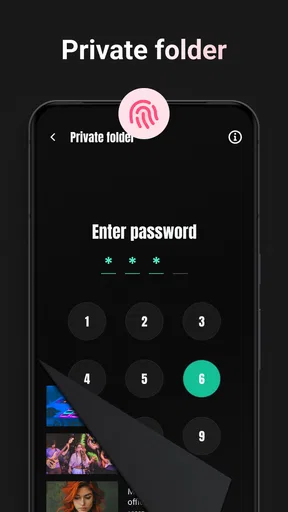
Playlists work best when they reflect a repeatable job. I might keep a short sequence of workout demonstrations together, or group several lessons I plan to revisit, rather than putting every saved video into one long queue. That keeps a playlist useful instead of turning it into another pile to search. If I share the phone with someone else, I would also keep in mind that a playlist is an organizational aid, not a substitute for separating personal files or managing device access.
Before a longer viewing session, I would check the file itself, the subtitle setting if needed, and the playback speed. Those few checks prevent the most avoidable interruptions: discovering that I chose the wrong clip, that the dialogue is difficult to follow in the current environment, or that the speed is still set for a previous task. This is not an elaborate setup routine; it is simply a way to make a local video player feel dependable from one session to the next.
Faster patterns for repeat viewing
Experienced use is less about finding secret controls and more about building small habits around the controls that are actually available. If I watch a set of related clips regularly, I can make a playlist rather than reopening each file one by one. If I often need to hear a quiet section, I can use the volume gesture instead of leaving playback to search through menus. And if I am studying, I can adjust speed for the specific part I am reviewing instead of forcing every video into the same pace.
There is also a useful distinction between a video I want to watch once and one I expect to revisit. For the first, opening it directly is usually the quickest path. For the second, making it part of a small, clearly named playlist gives me a repeatable route back to it. This works well for personal collections of tutorials, reference clips, or saved talks. It is less useful if I rarely watch the same files twice, because maintaining playlists would add effort without saving much time.
When handing the phone to a friend or family member to watch a clip, I would set the video up first: open the right file, confirm the volume, and make sure subtitles are readable if they are needed. That avoids asking another viewer to learn the controls while the video is already playing. It also highlights the app’s main strength: getting a file ready for viewing with a few familiar actions, rather than offering a complicated media-library system that needs constant attention.
Where a local player fits among alternatives
I would choose Lark Video Player over a streaming app when I already have a video file and want to watch it without relying on a connection. That is a different job from browsing a service’s catalogue, receiving recommendations, or keeping a cloud library synchronized. If the main goal is discovering new shows, a streaming service is the better tool. If the goal is opening a saved clip, a dedicated local player is more direct.
Compared with the basic player that comes with a phone, this app’s appeal is its focus on playback options such as format support, gesture adjustments, subtitles, speed control, and playlists. Whether that makes it better depends on what the built-in player already handles well on a particular device. If the default app opens all my files, offers the controls I need, and never gets in the way, there may be little reason to switch. I would install another player when I run into a real limitation, not just because a separate app exists.
It also is not the obvious pick for someone who wants an all-in-one system for editing, organizing a huge media archive, or syncing watch progress across multiple devices. Its category includes video players and editors, but the experience I would choose it for is playback. For editing footage, I would use a dedicated editor; for cloud access, I would use a service built around storage and synchronization. Keeping each tool focused makes the overall workflow less confusing.
Limits, compatibility, and when I would skip it
No player can remove every source of friction. A damaged video, an unusual encoding, or a subtitle file that does not match the clip can still spoil playback even when the app supports many formats. If one file behaves badly, I would test a different file and check whether the problem follows the video or the player. That simple comparison is more informative than repeatedly changing controls without knowing what caused the issue.
I would also skip this app if I mainly watch videos online and do not keep local files. In that case, a streaming app already serves the central need, and an offline player may not add much to the routine. People who need detailed editing tools, a large searchable media library, or cross-device synchronization should look for an app designed around those jobs instead. Lark Video Player is most persuasive when the question is simply, “How can I play this video on my phone?”
On a smaller display, comfortable viewing may matter more than the number of supported formats. For a long film, I might prefer a larger screen or a dedicated streaming setup; for a short tutorial or a clip shared by a friend, the phone is entirely practical. Similarly, playback speed is excellent for reviewing material but not necessarily for relaxing with a story. The best feature is only useful when it matches what I am watching and why.
Final thoughts on making it your everyday player
All in all, Lark Video Player is a solid choice for anyone looking to enhance their video watching experience. It’s user-friendly, versatile, and performs exceptionally well. Whether you’re a casual viewer or a video junkie, this app has something to offer. So go ahead, give it a try, and prepare to enjoy your videos like never before!
My recommendation is more specific: I would give it a try if my phone holds a regular collection of videos and I want convenient playback controls without turning the task into a project. I would start with a familiar clip, test the gestures, try a subtitle if I use them, and make one playlist only if I have a group of videos I revisit. That gives me a fair sense of whether its workflow suits me before I reorganize anything.
Ready to dive into the world of seamless video playback? You can download Lark Video Player on your Android or iOS device and see for yourself just how awesome it is. Happy viewing!
Pros
- Supports a wide range of video formats.
- User-friendly interface with easy navigation.
- Smooth playback with minimal buffering.
- Offers subtitle customization options.
- Free to use with no hidden costs.
Cons
- Contains occasional in-app ads.
- Limited advanced editing features.
- No offline viewing capabilities.
- Requires permissions for optimal use.
- Lacks integration with cloud services.
FAQs for Lark Video Player
What video formats does Lark Video Player support?
Lark Video Player supports a wide range of video formats, including MP4, AVI, MKV, and MOV, among others. This allows users to play almost any video without needing to convert files to a specific format. The app's versatility in handling various formats makes it a convenient choice for users with diverse video collections.
Can I use Lark Video Player on both Android and iOS devices?
Yes, Lark Video Player is available for both Android and iOS platforms. Users can download the app from Google Play Store for Android devices and the Apple App Store for iOS devices. This cross-platform availability ensures that users can enjoy a seamless video playback experience regardless of their device type.
Does Lark Video Player support subtitles?
Absolutely! Lark Video Player supports multiple subtitle formats, including SRT, SSA, and SUB. Users can easily load subtitles while watching their videos, enhancing the viewing experience by providing clear text that is synchronized with the video. Subtitle customization options are also available, allowing users to adjust font size and color.
Is there an option to control playback speed in Lark Video Player?
Yes, Lark Video Player offers playback speed control, enabling users to slow down or speed up videos according to their preferences. This feature is particularly useful for watching tutorials or lectures, allowing viewers to follow along at their own pace. It also supports incremental speed adjustments for precise control.
How does Lark Video Player handle privacy and user data?
Lark Video Player prioritizes user privacy by not collecting personal data or tracking user activity. The app requires minimal permissions, focusing only on essential functionalities like accessing media files for playback. Users can enjoy their videos without concerns about data breaches or unauthorized data sharing.


